
INDEPENDENT SCHOOLS
Support teaching across the whole campus.
Independent schools often combine classrooms, specialist spaces, administration and sometimes boarding or multiple sites. The plan should account for each audience and the school’s own governance and safeguarding responsibilities.
Discuss your priorities ↗
WHAT TO CONSIDER
Put the important decisions first.
Spaces and users
Map the experience in classrooms, libraries, shared areas and specialist facilities before selecting equipment.
Secure access
Consider staff, pupils, visitors and managed devices as distinct groups across wireless and cloud services.
Continuity and value
Balance a consistent user experience with supportability, resilience and whole-life costs.
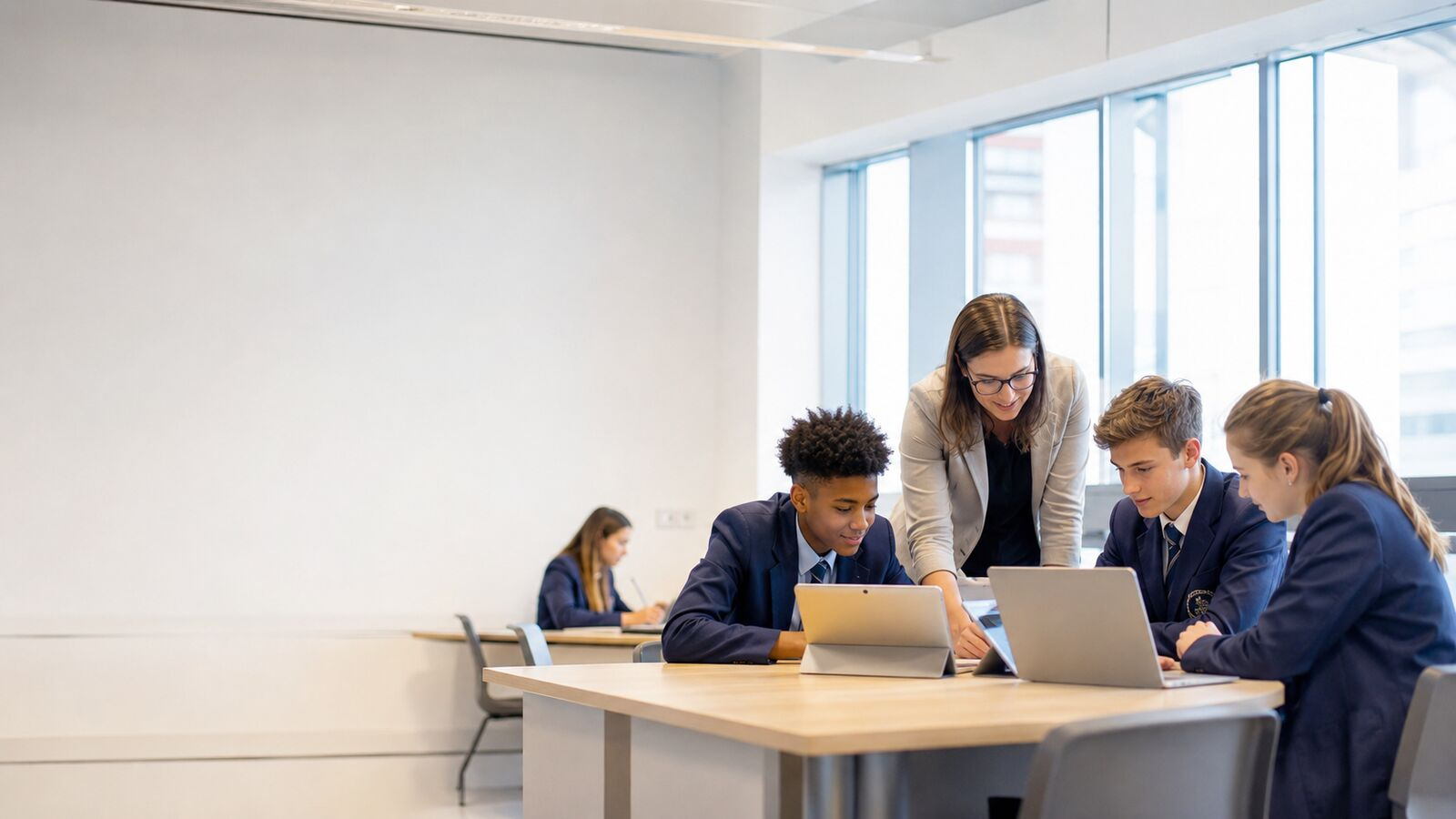
A CAMPUS VIEW
One school, different experiences.
Teaching rooms, specialist areas, staff offices and visitor spaces each place different demands on connectivity and devices. Map the journeys people actually take before choosing a standard.
- Teachers and classroom tools
- Pupils and managed access
- Operations and continuity
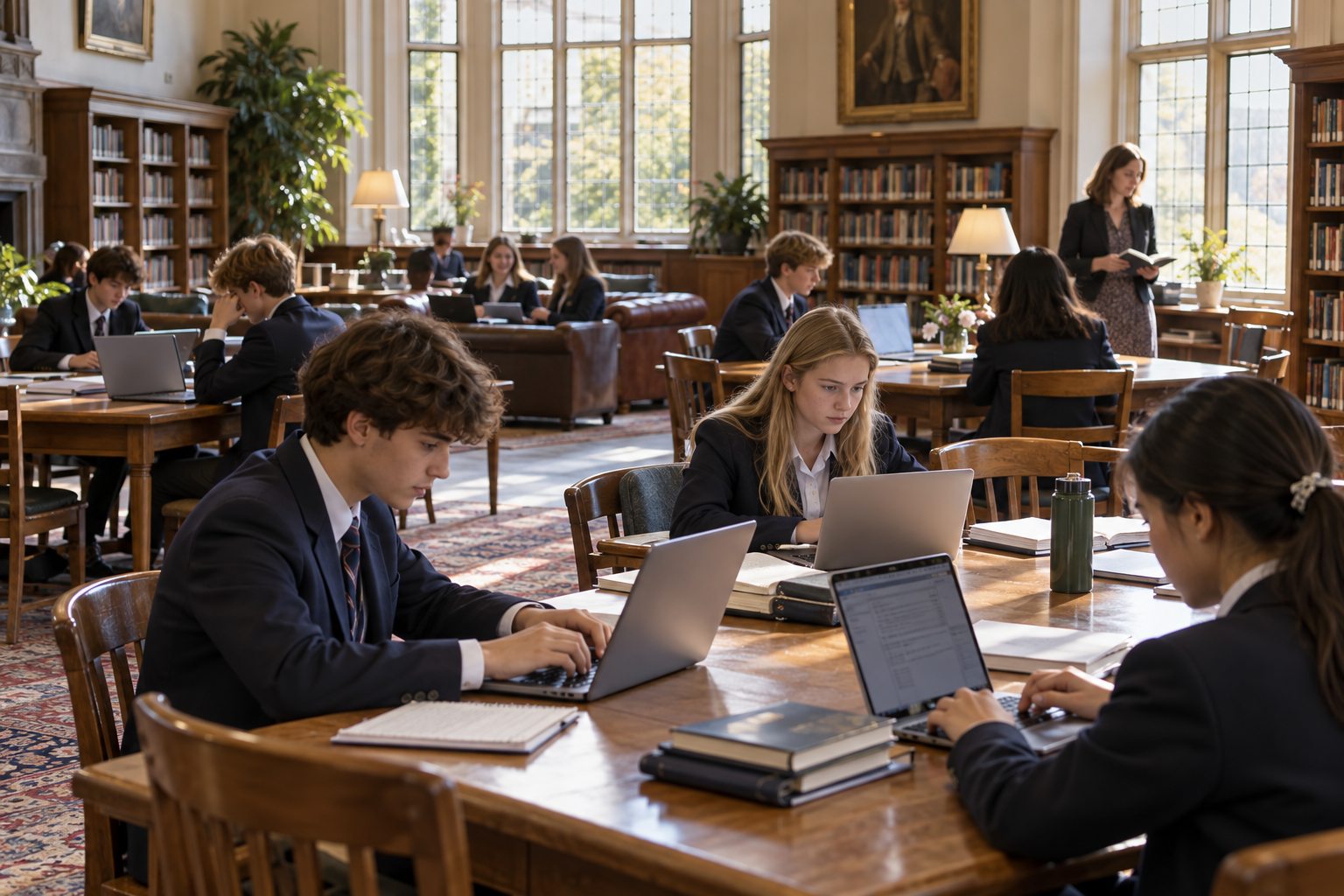
Beyond one room
The same dependable experience should follow pupils from teaching spaces to study areas.
FROM BRIEF TO DELIVERY
A plan you can act on.
An estate walk-through and a short list of highest-impact rooms can turn a broad ambition into a deliverable first phase.
- Listen to usersIdentify recurring friction for teachers, learners and operations staff.
- Check dependenciesReview network, identity, software compatibility and support arrangements.
- Schedule carefullyUse suitable holiday windows and a tested handover plan.
NEXT PRACTICAL STEP
For the whole school.
Prioritise the spaces and user journeys where change will be felt first.
COMMON QUESTIONS
Before you decide.
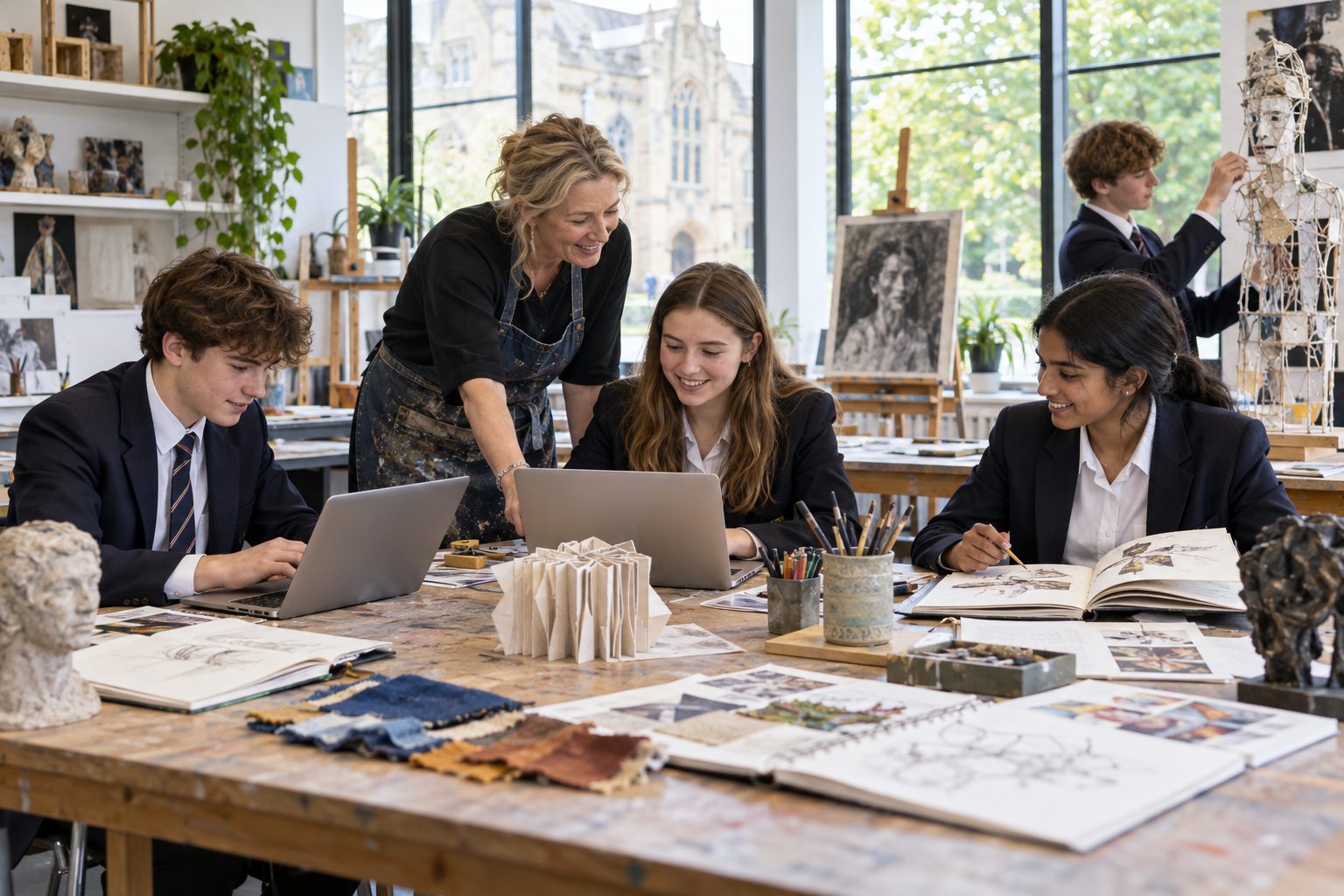
Can this include boarding and guest access?
The discovery can include distinct user groups and spaces. The design should define appropriate access and support for each.
What belongs in the first phase?
Prioritise the rooms or systems with the greatest effect on teaching, operations or resilience.